Nara City
Deer, a giant Buddha, and 1,300 years of history in the middle of town.
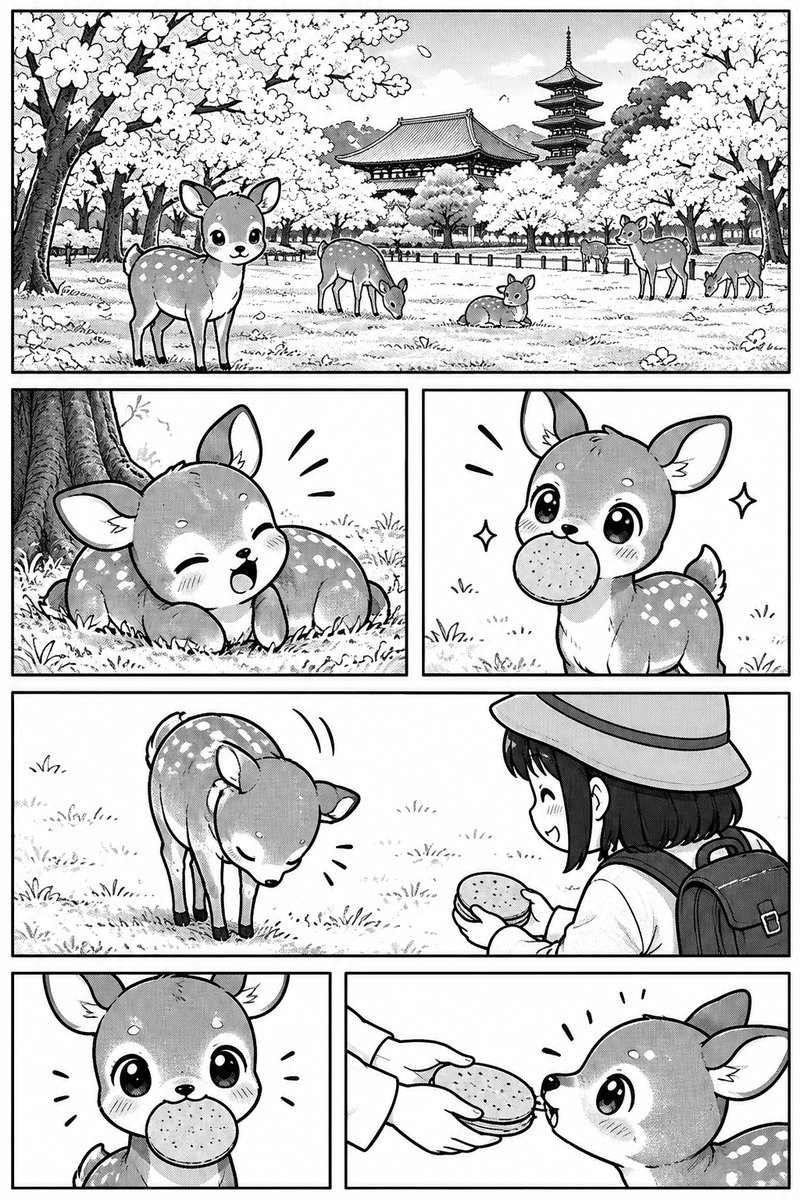
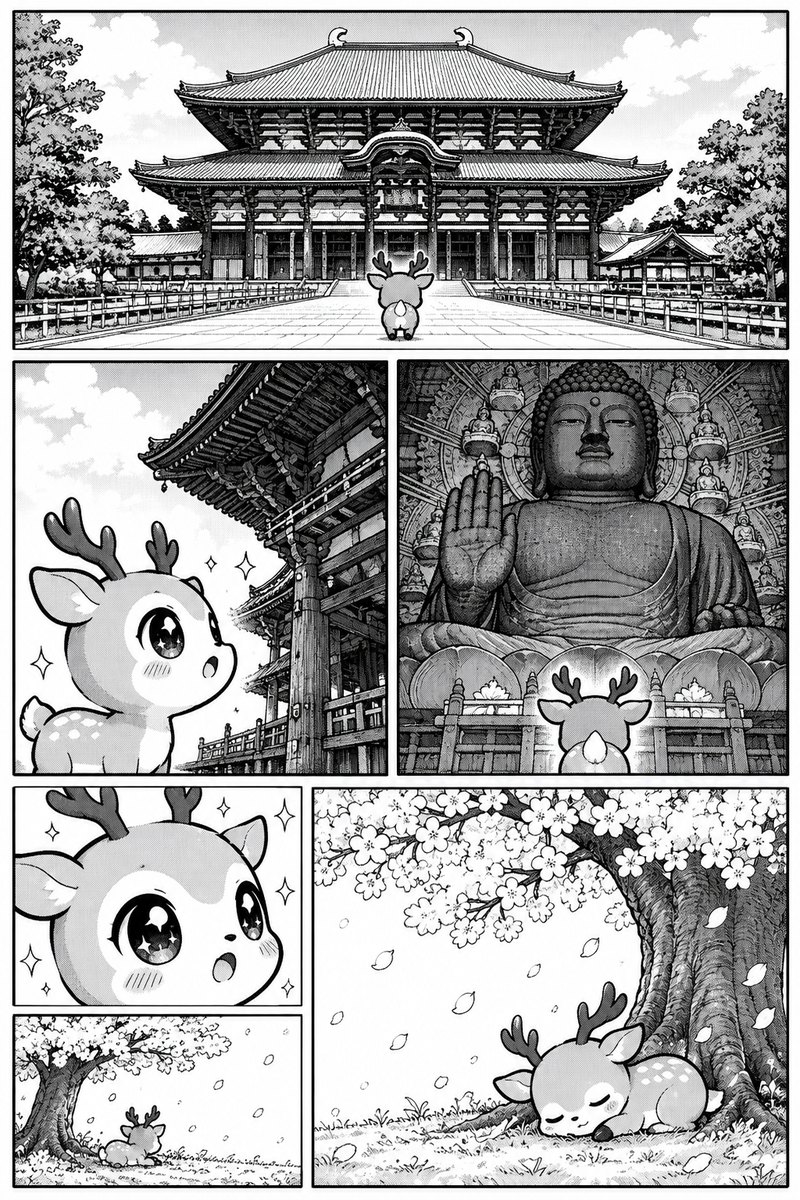
Bow with the Deer, Meet the Great Buddha
About 1,200 wild deer roam Nara Park, long revered as messengers of the gods. Hold up a shika senbei cracker and they'll bow politely before taking it — Nara's most beloved ritual. The park is equally famous for cherry blossoms and autumn leaves, and the view from Mt. Wakakusa is breathtaking.
At the park's heart stands Todai-ji's Great Buddha Hall, among the largest wooden buildings in the world. The 15-meter Great Buddha inside was cast in the Nara period; squeezing through the pillar hole is a rite of passage for visitors.
Kofuku-ji's pagoda, Kasuga Taisha's lantern paths, and the National Treasure Hall — home to the famous Ashura statue — complete a World Heritage walk through 1,300 years of history.
Persimmon-Leaf Sushi and Yamato Tea: Nara's Humble Delights
Nara's cuisine reflects the mountains and plains of old Yamato Province. Kakinoha-zushi — mackerel or salmon pressed onto rice and wrapped in persimmon leaves — began as a way to keep fish fresh; the antibacterial leaves did the work long before refrigeration.
Yamato tea grows fragrant in the basin's sharp temperature swings, and 'Yamato' brands — pork, beef, heirloom vegetables — anchor local menus.
For snacking: Nara pickles, Miwa somen noodles, kuzu mochi, and the famous high-speed-pounded yomogi mochi at Nakatanido. A sweet after the Great Buddha is Nara's best finale.